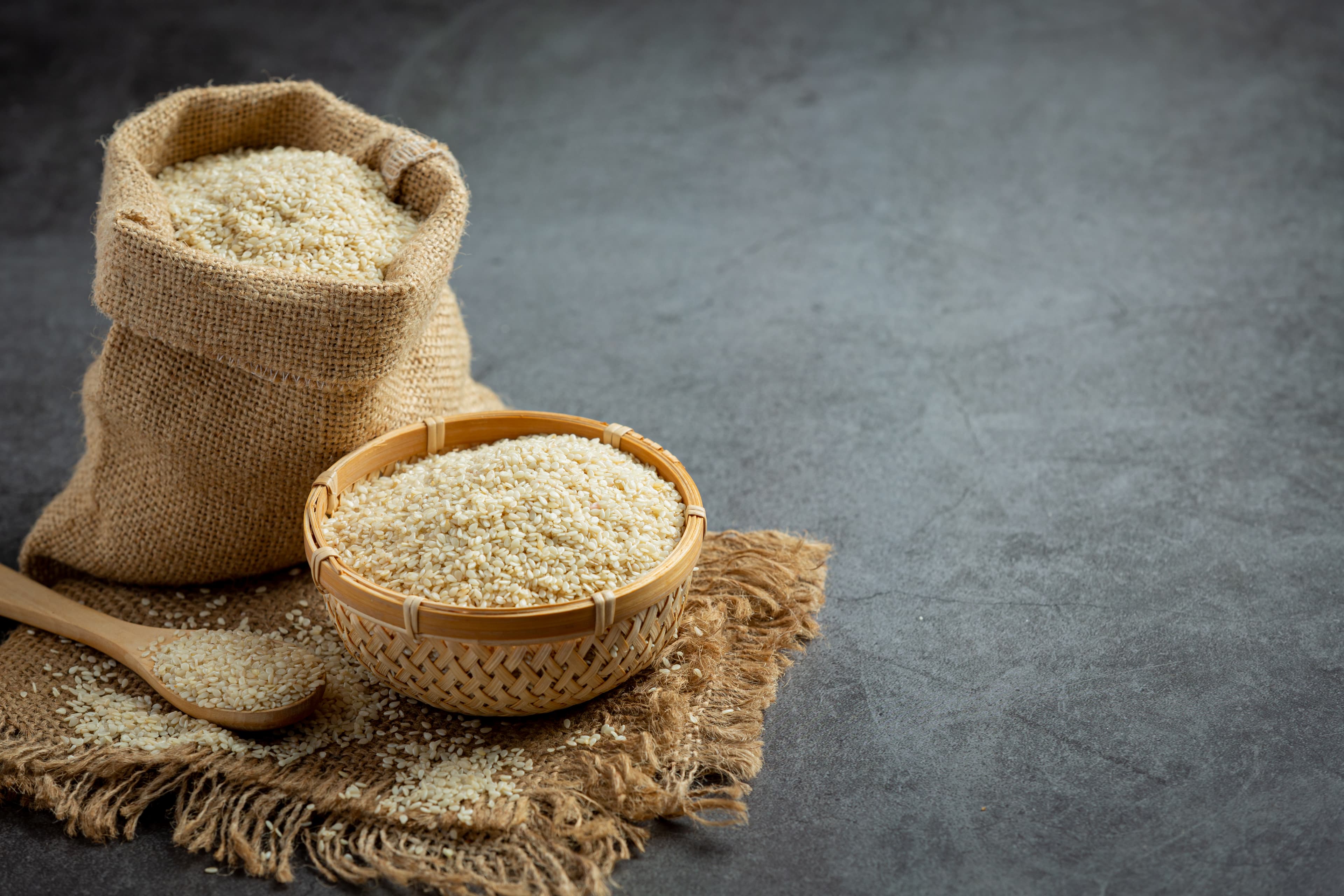
If you're a first-time buyer of Nigerian sesame, the spec sheet can look intimidating. Most of the numbers on it fall into one of four categories — and only a few of them meaningfully affect what you actually receive.
The four numbers to actually read
- FFA (Free Fatty Acid) — a measure of oil quality. Lower is better; anything above 2% starts to signal storage issues.
- Oil content — for oil pressers, this is the headline number. Typical Nigerian white sesame lands between 48% and 52%.
- Admixture — foreign matter in the bag. Confectionery buyers want ≤1%; industrial buyers may accept up to 2%.
- Moisture — anything above 8% risks mould and rejection at destination.
What the spec doesn't tell you
- Colour consistency across bags. Ask for a loading photo or an independent inspection at bagging.
- Origin traceability. Not required, but increasingly requested by European buyers.
- Sortex-cleaned vs manually cleaned. Sortex commands a small premium but delivers a much tighter admixture number.
Reading a real spec sheet
A typical contract will read something like:
Nigerian White Sesame Seeds — FFA ≤2%, Oil ≤50%, Purity ≥98%, Moisture ≤8%, Admixture ≤2%
If you're buying for confectionery, tighten the admixture to ≤1% and add a colour standard. If you're buying for oil pressing, the FFA and oil content matter more than admixture.
Where JULIOBAM sits
We supply Nigerian sesame with pre-shipment inspection built into every consignment. Request a quote with your target spec and destination and we'll come back with availability and pricing.