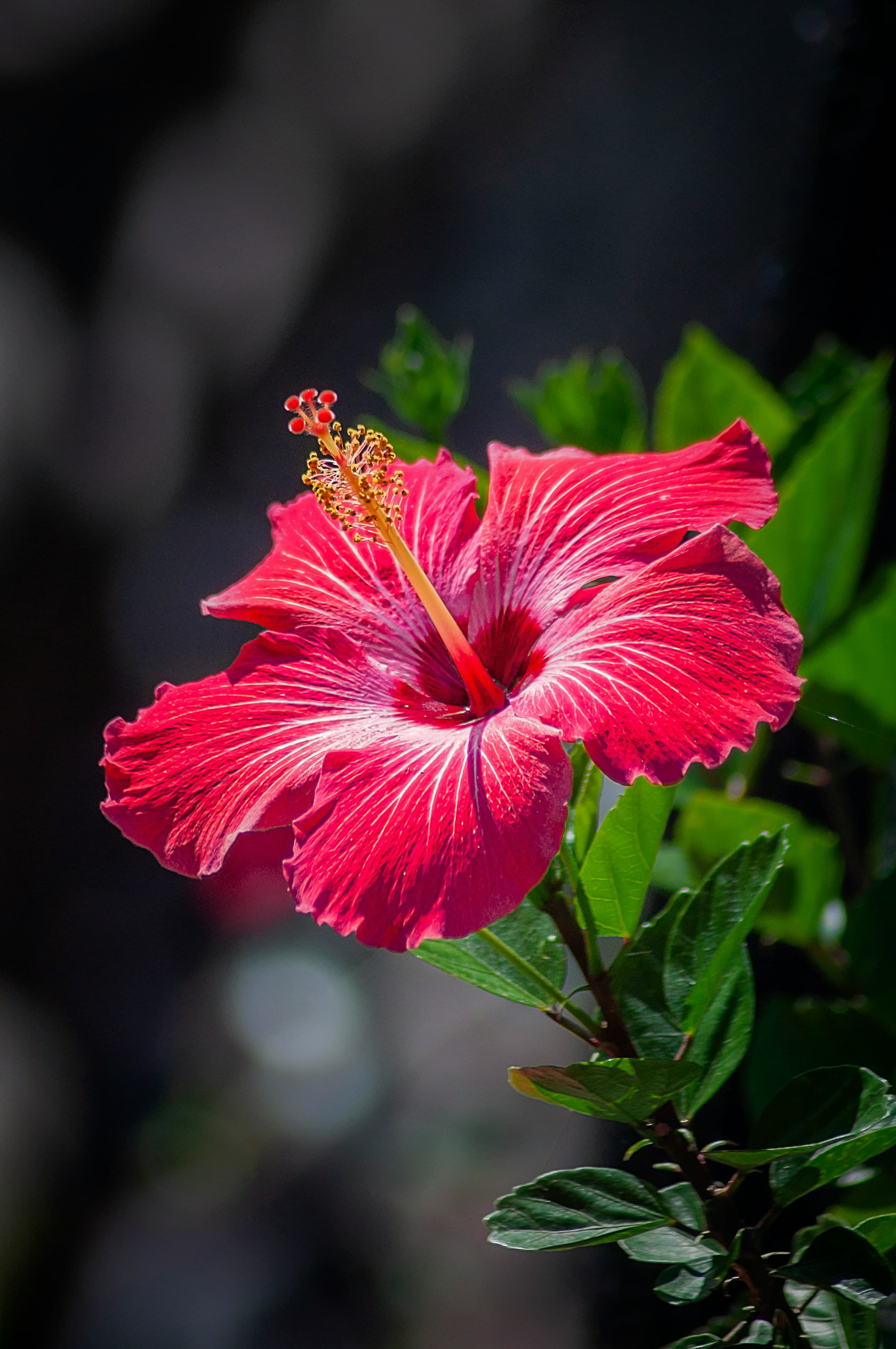
Hibiscus Flower from Nigeria: Exporter, Supplier, Shipping
Sun dried Nigerian hibiscus (Roselle) with the deep crimson colour and high anthocyanin profile that tea and beverage buyers ask for.
Nigeria is one of the largest exporters of dried hibiscus (Roselle, Karkade) globally. Our lots come from the Sudan savannah belt across Katsina, Jigawa, and Kano, sun dried on clean surfaces and hand sorted before bagging.
We ship export grade petals with the deep red colour and low stem content that tea blenders and extract manufacturers require. Testing covers moisture, foreign matter, and colour intensity.
Hibiscus Flower contract spec.
Typical export specification. Tighter or looser tolerances can be negotiated against confirmed contract.
HS Code: 1211.90
- Type
- Sudan Sudanese variety (Roselle)
- Colour
- Deep red to crimson
- Moisture
- Max 12%
- Foreign matter
- Max 1%
- Broken petals
- Max 5%
- Stems
- Max 2%
Common use cases.
- Herbal tea blending
- Hibiscus extract and syrup production
- Natural colouring for beverages
- Nutraceutical anthocyanin supply
- Cosmetic ingredient supply
Where we typically ship.
Not on this list? We ship to any port with the right paperwork. Ask us about your destination.
Standard packaging options.
Bag types and container fills adjust with buyer specification. Private label bagging is available on request.
- 25 kg PP or paper bags
- 20 ft container loads
Questions buyers ask about Nigerian hibiscus flower.
What variety of hibiscus is grown in Nigeria?
The dominant variety is Sudan Sudanese Roselle (Hibiscus sabdariffa), prized for its deep red colour and strong tartness. It is the same variety used in Karkade tea worldwide.
How is colour graded?
Buyers typically ask for deep red to crimson petals with no browning. We colour grade at bagging using visual reference standards and share sample photos with each contract.
What is the harvest window?
Harvest runs November through February. Stored stock is available through much of the year but colour degrades slightly with time.
Other agricultural exports we handle.
Ready to source, trade, or export with confidence?
Share your requirement and our team will respond with product availability, pricing, and logistics options tailored to your destination.