The African agricultural export market has entered a period of quiet but real repositioning. Buyers who spent the last two seasons chasing the lowest-cost origins are now weighing something different: reliability of supply, quality consistency, and container availability at loading ports.
What's changed on the buyer side
Three shifts stand out from conversations we've had with importers this quarter:
- Origin diversification. Buyers who used to single-source from one country are now splitting volume across two or three origins to reduce weather and policy risk.
- Longer lead times on paperwork. Phytosanitary and origin certification cycles have quietly lengthened. Buyers are asking for documentation packs earlier in the shipment cycle.
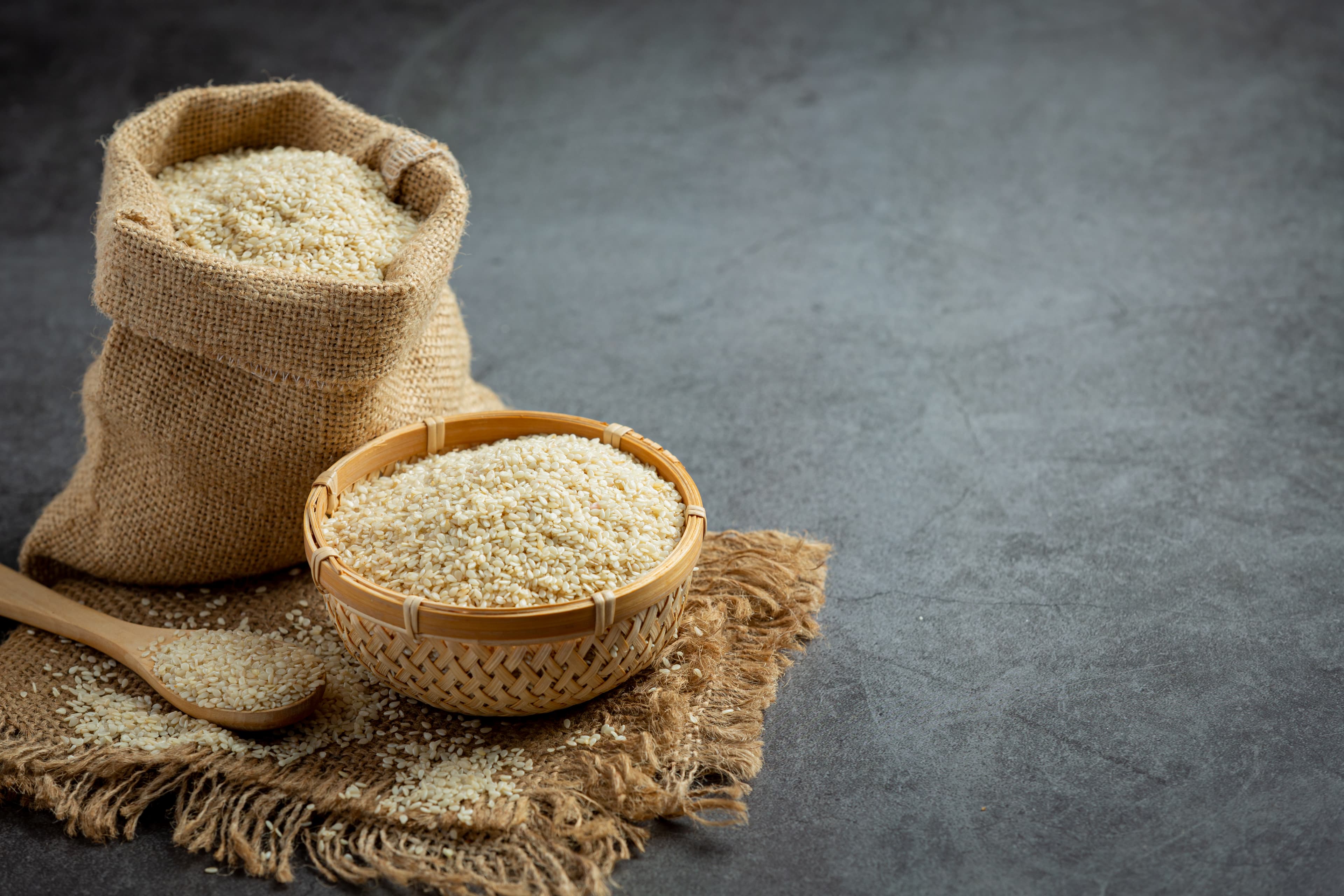
- Renewed focus on outturn. For commodities like cashew and sesame, buyers are running more granular quality checks on arrival and pushing back harder on out-of-spec consignments.
What this means for exporters
The exporters who are winning long-term contracts share three habits:
- They pre-qualify quality at the supplier level, not just at loading.
- They own the export documentation process end-to-end.
- They communicate proactively — status updates before the buyer has to ask.
None of this is new. What's changed is that these habits have shifted from being a competitive edge to being table stakes.
The season ahead
Container availability out of West African ports looks tight for Q4 but should ease by Q1. Buyers with early bookings will have an easier time than those trying to book on the spot market.
If you're planning volumes for the next season, talk to our sourcing team — we're happy to share what we're seeing across specific commodities.